
Cislunar Space Fundamentals Workshop
Explore NASA’s Artemis missions and cislunar orbital motion. Learn the basics of reference frames, trajectory design, and orbit propagation, with a short Python demonstration and a discussion of current cislunar research opportunities.
Hosted by C.O.D.E — Community of Developers & Engineers
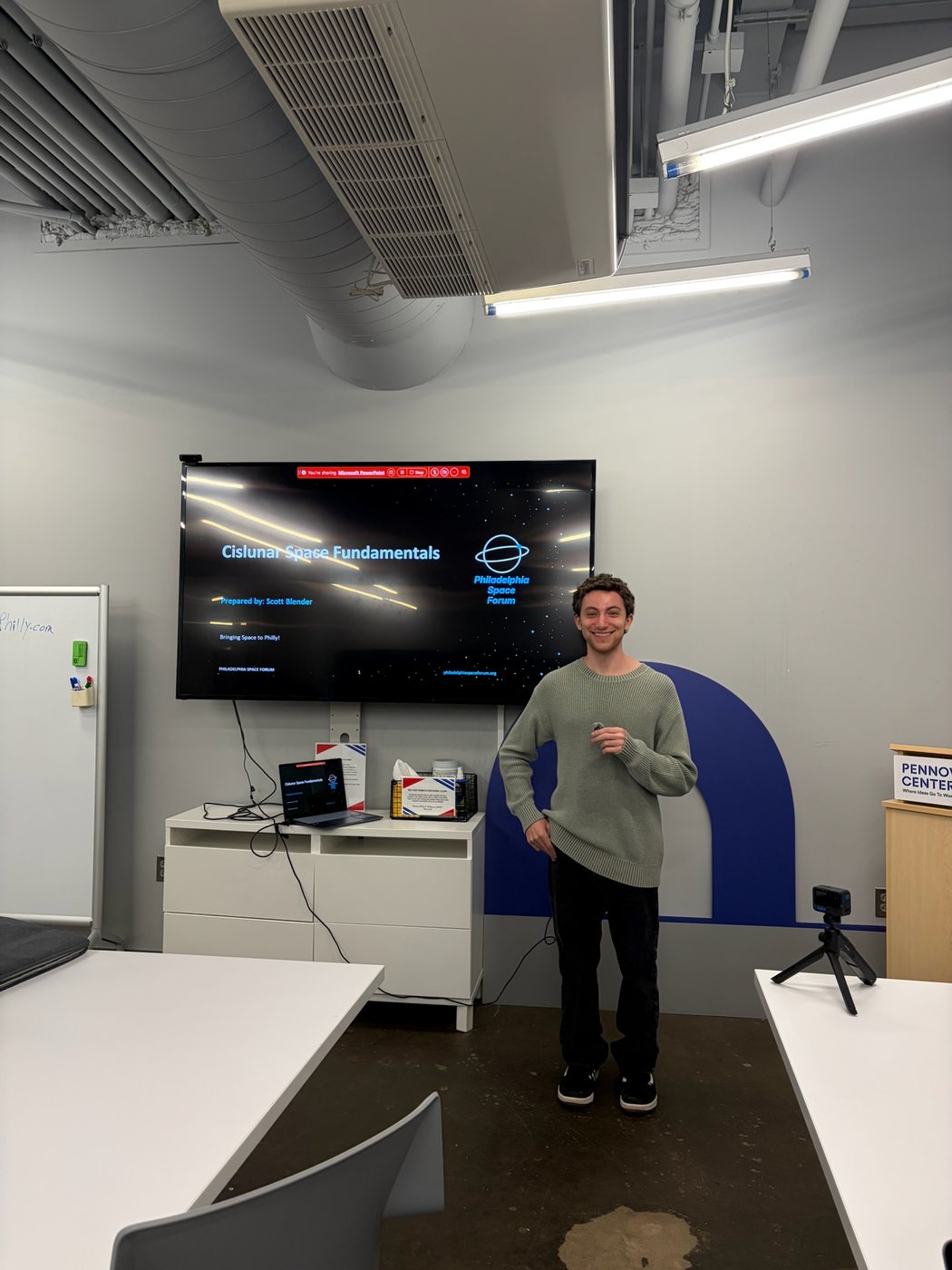
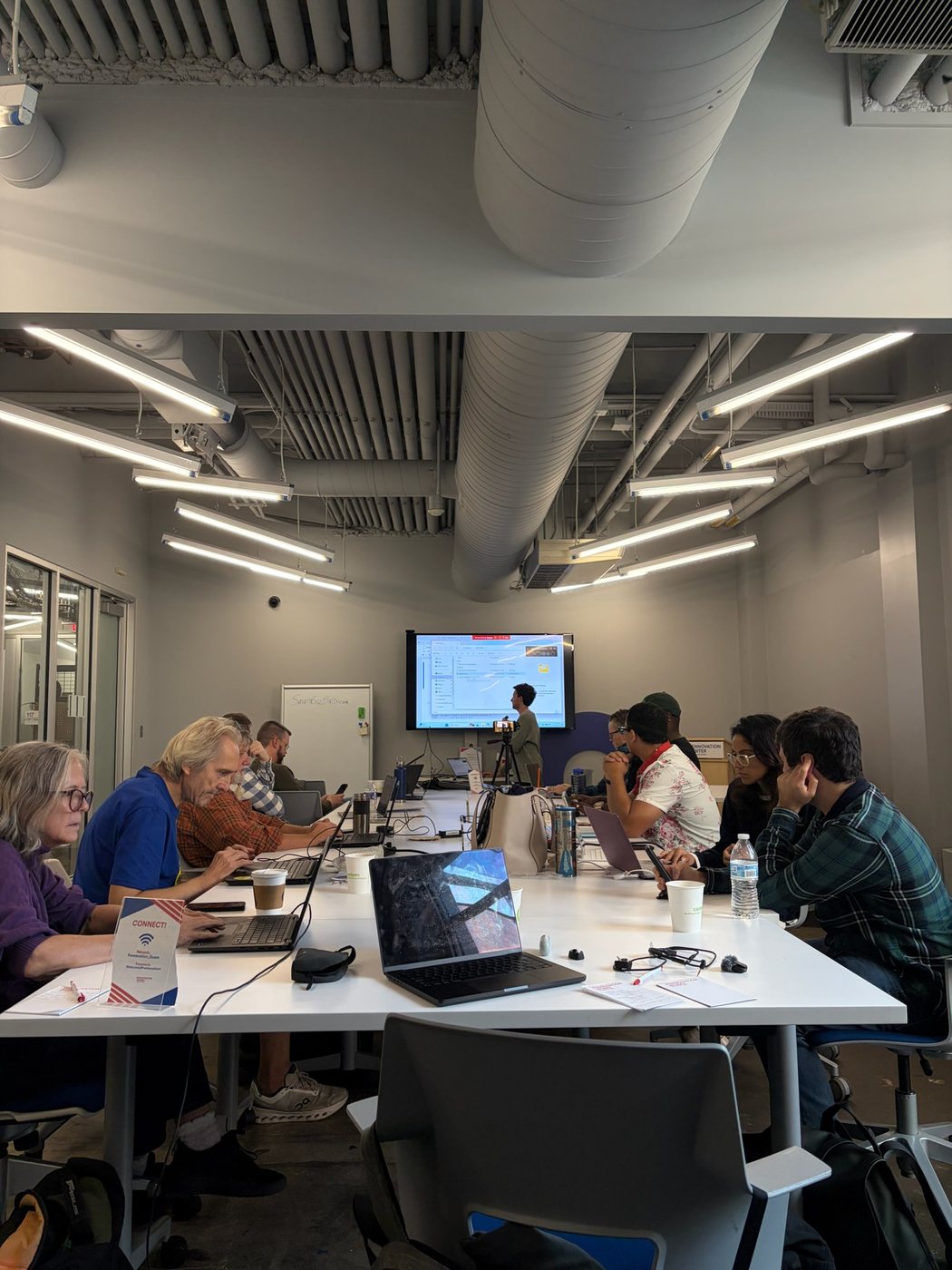
Workshop leader
Scott Blender
Scott is a third-year Ph.D. student in aerospace engineering at RPI and a researcher in the Advanced Space Concepts Laboratory. His research focuses on spacecraft guidance, cislunar space domain awareness, and lunar-surface sensor networks.
Event topics
- Artemis and NASA’s return to the Moon
- Orbital motion fundamentals
- Reference frames and selenocentric orbits
- Cislunar research: SSA, landing, and robotics
- Live Python orbit propagation demo
- Q&A and ways to get involved
Workshop materials
Follow the live Python demo: fill in five inputs to propagate and animate an LRO-like orbit around the Moon.
Notebook and requirements downloads close October 17, 2026 at 4:00 PM EDT.
Show notebook answers
One worked example for the five missing inputs. Try filling them in yourself first.
MU_MOON = 4902.800118- Lunar GM in km³/s²; sets the strength of gravity.
altitude_km = 50.0- Semi-major-axis altitude in km: a = lunar radius + altitude.
eccentricity = 0.001- A nearly circular orbit; zero would be exactly circular.
inclination_deg = 90.0- A polar orbit, perpendicular to the reference equator.
number_of_periods = 3- Propagate three complete revolutions, about 5.65 hours.
Open the notebook in Jupyter or upload it to Google Colab. For a local setup, use Python 3.11+ and install the packages in requirements.txt.